The Electric Guitar Timeline
Origins: The Need for Volume (1920s–1930s)
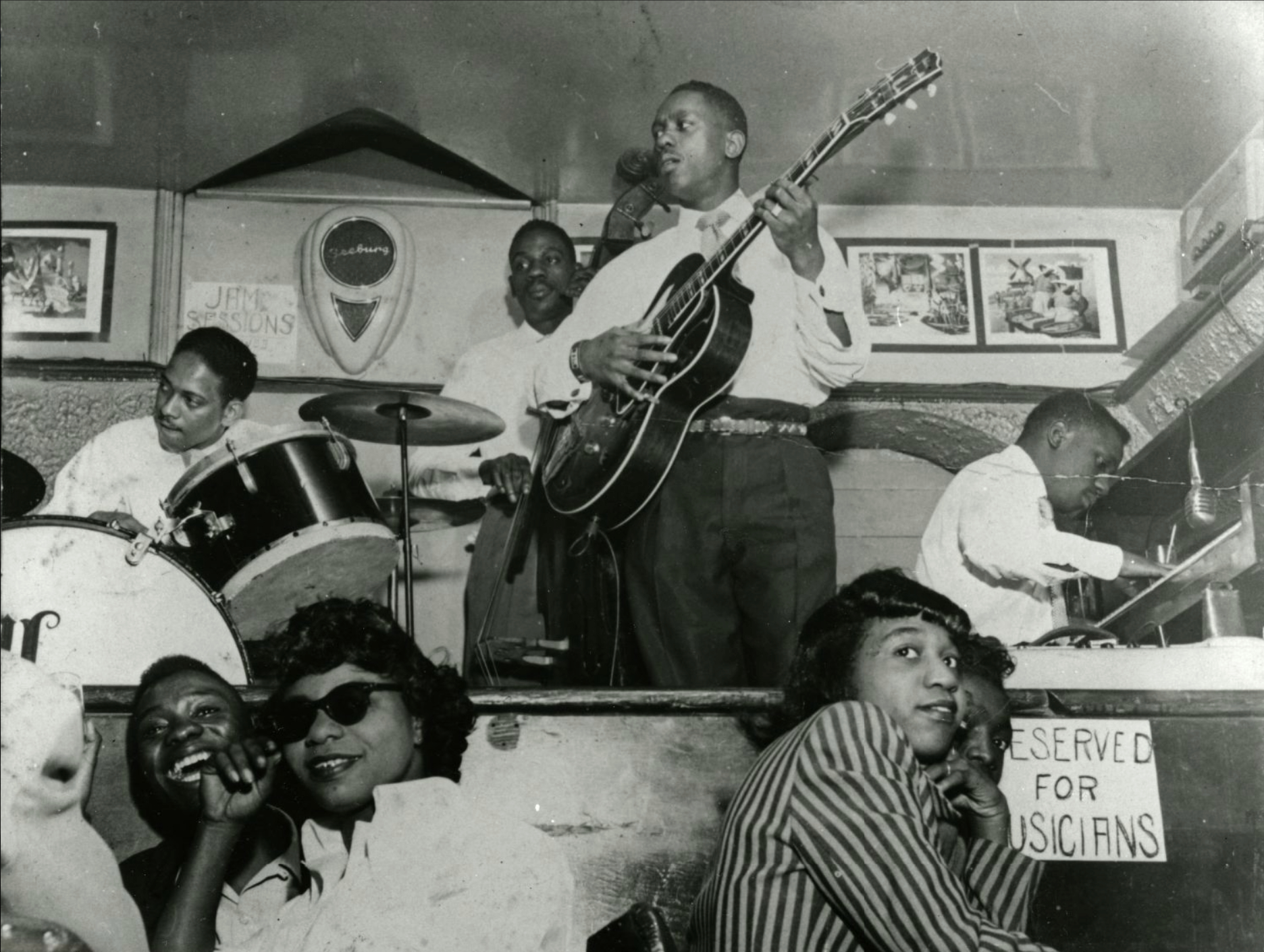
Acoustic guitars struggled to be heard in jazz and big‑band settings. Early inventors experimented with pickups and amplification, setting the stage for engineering innovation driven by musical necessity.
First Breakthrough: The Rickenbacker “Frying Pan” (1931–1932)
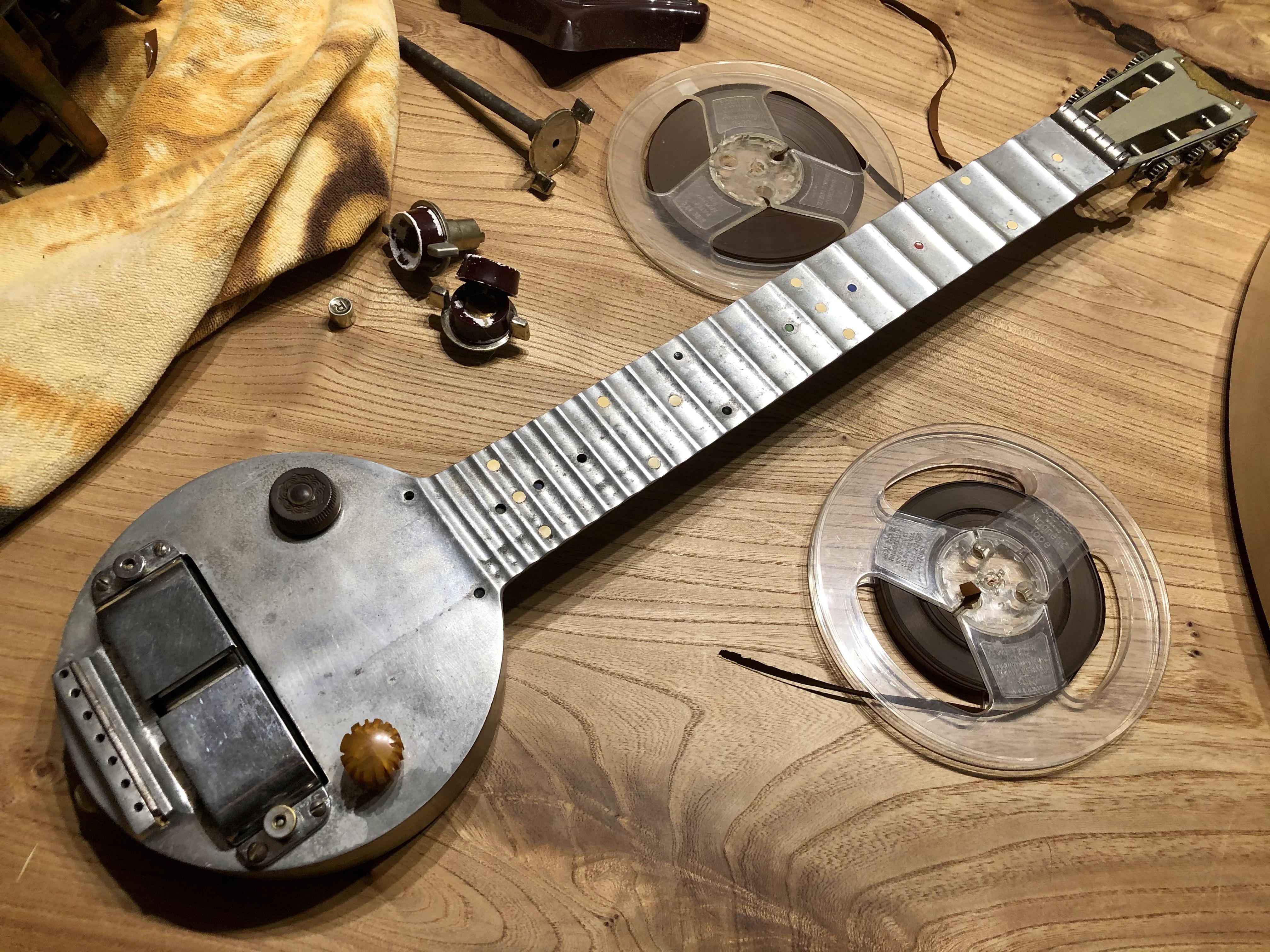
The first commercially successful electric guitar, featuring a horseshoe‑style pickup. Marks the beginning of the electric guitar as a real instrument.
Horseshoe Pickup Innovation
The Frying Pan's distinctive horseshoe pickup wrapped around the strings to produce a stronger electromagnetic signal. This design was a major step in making electric guitars loud, clear, and practical for live performance.
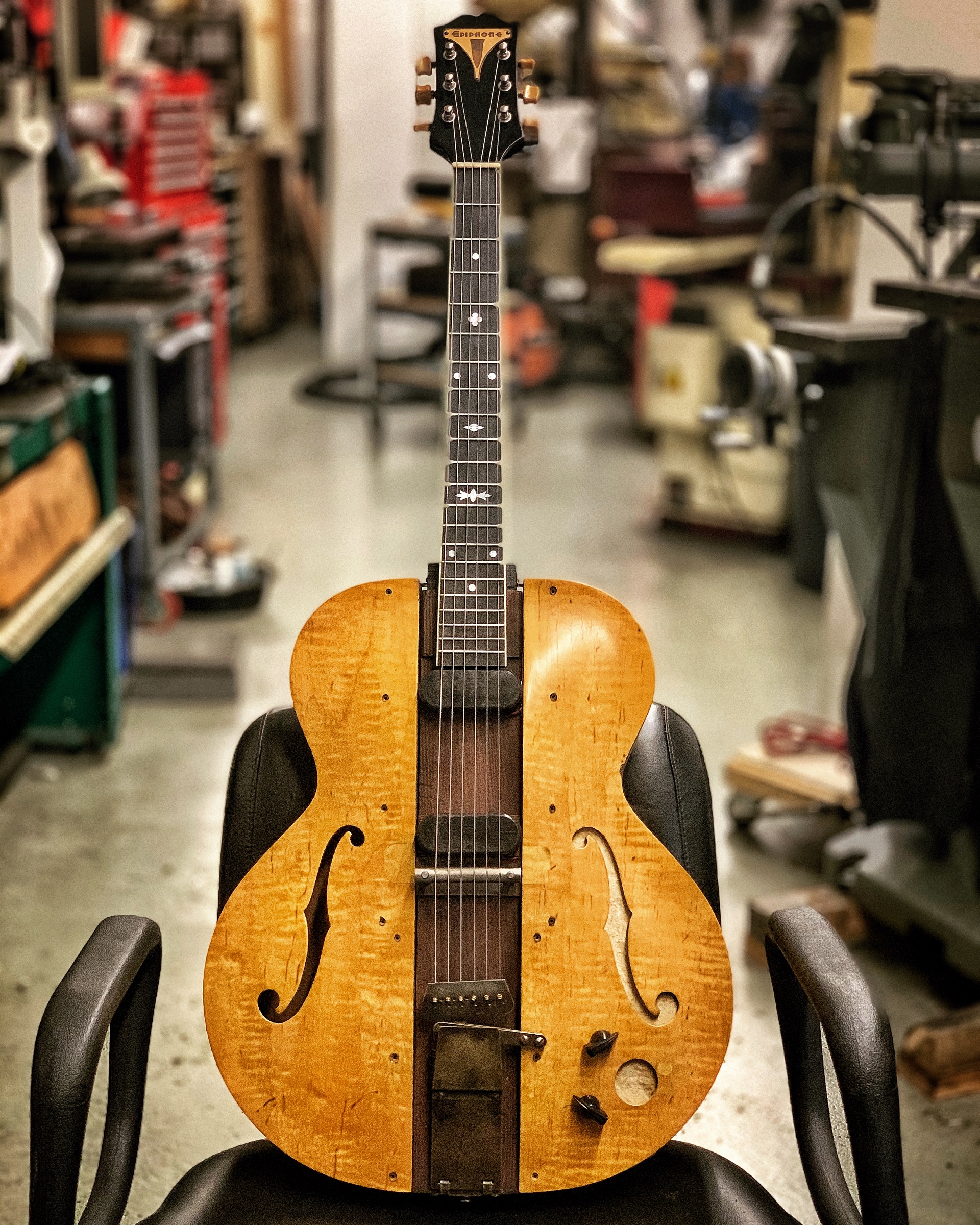
Les Paul’s “Log” Prototype
Les Paul’s “Log” (early 1940s): a 4x4 piece of wood with pickups attached, proved that a solid body reduced feedback and increased sustain. This innovation paved the way for the modern electric guitar.
From Prototype to Icon
The ideas tested in the “Log” later influenced the Gibson Les Paul electric guitar line. What began as a rough engineering experiment evolved into one of the most iconic production models in electric guitar history.
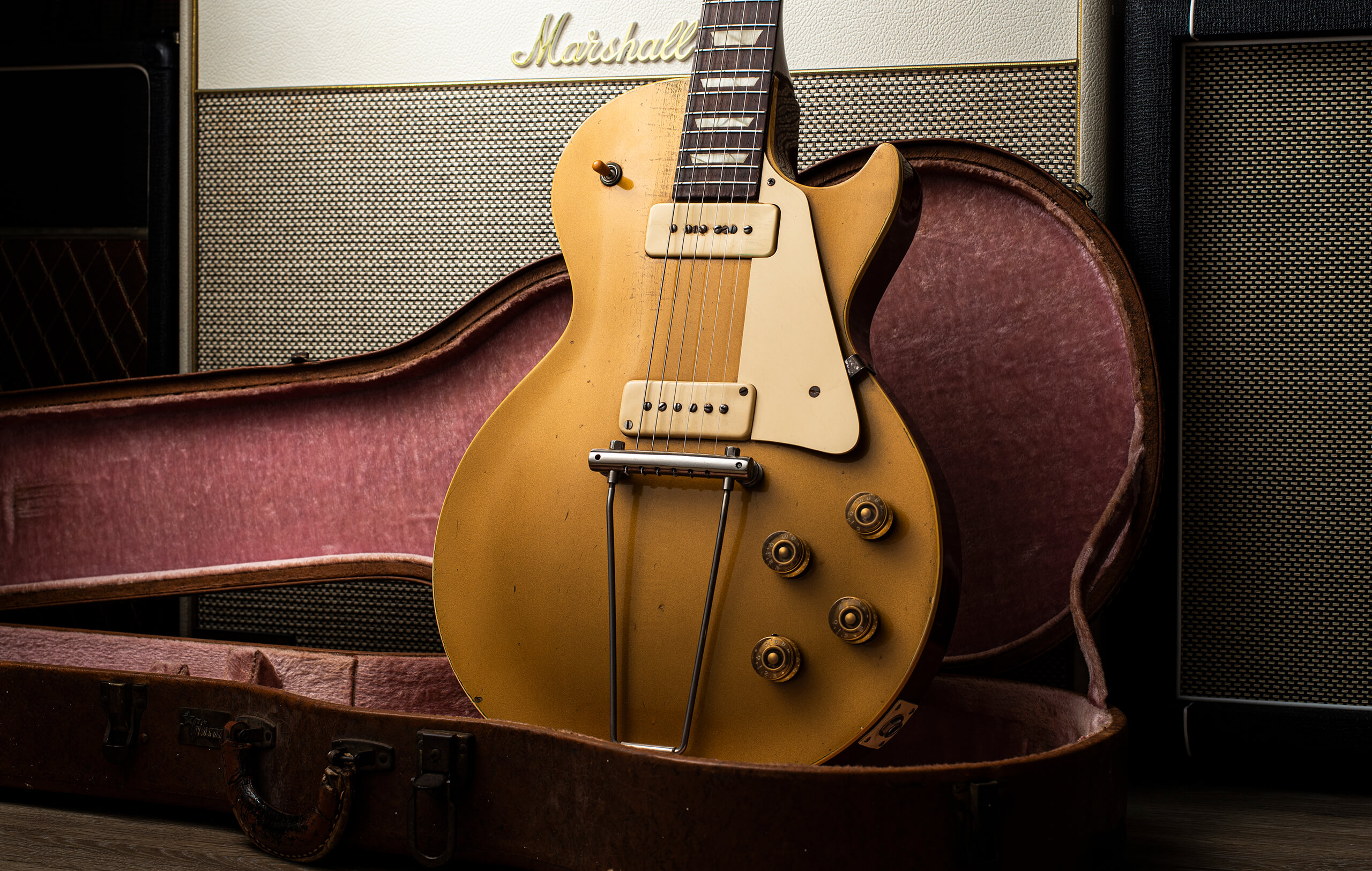
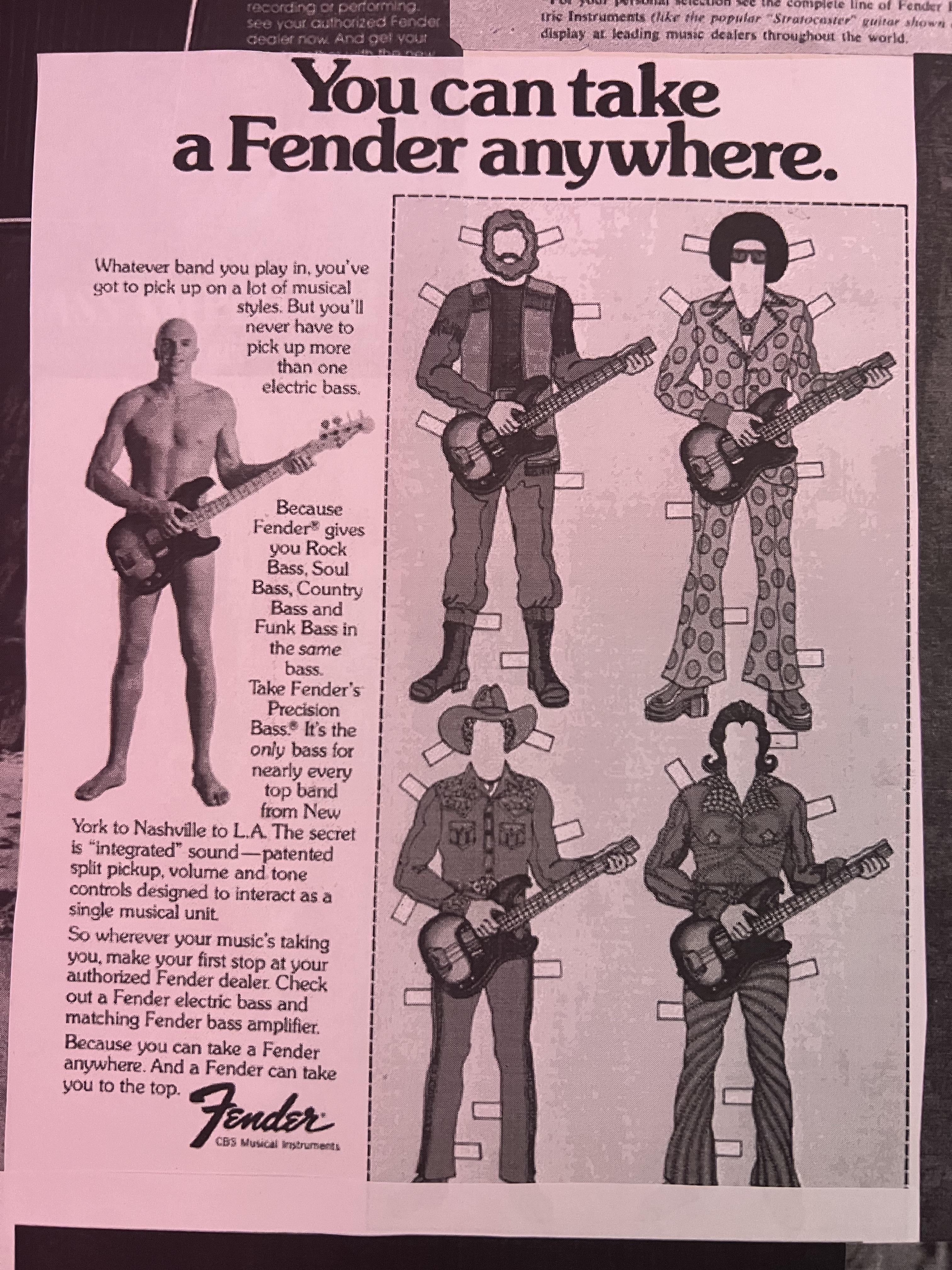
Fender Broadcaster/Telecaster & Early Fender Ads
Fender Broadcaster/Telecaster (1950): first mass‑produced solid‑body electric guitar, simple and durable.
Gibson Les Paul (1952): combined craftsmanship with powerful tone, became one of the most iconic guitars in history.
Early Fender advertisements and catalogs show the shift toward mass production and how the electric guitar was marketed to working musicians. This era establishes the core designs still used today.
The Stratocaster Arrives
Fender Stratocaster (1954): introduced a contoured body, three single-coil pickups, and a synchronized tremolo system. Its versatile sound and ergonomic design made it a defining guitar for blues, rock, surf, and pop, and it remains one of the most influential electric guitars ever made.

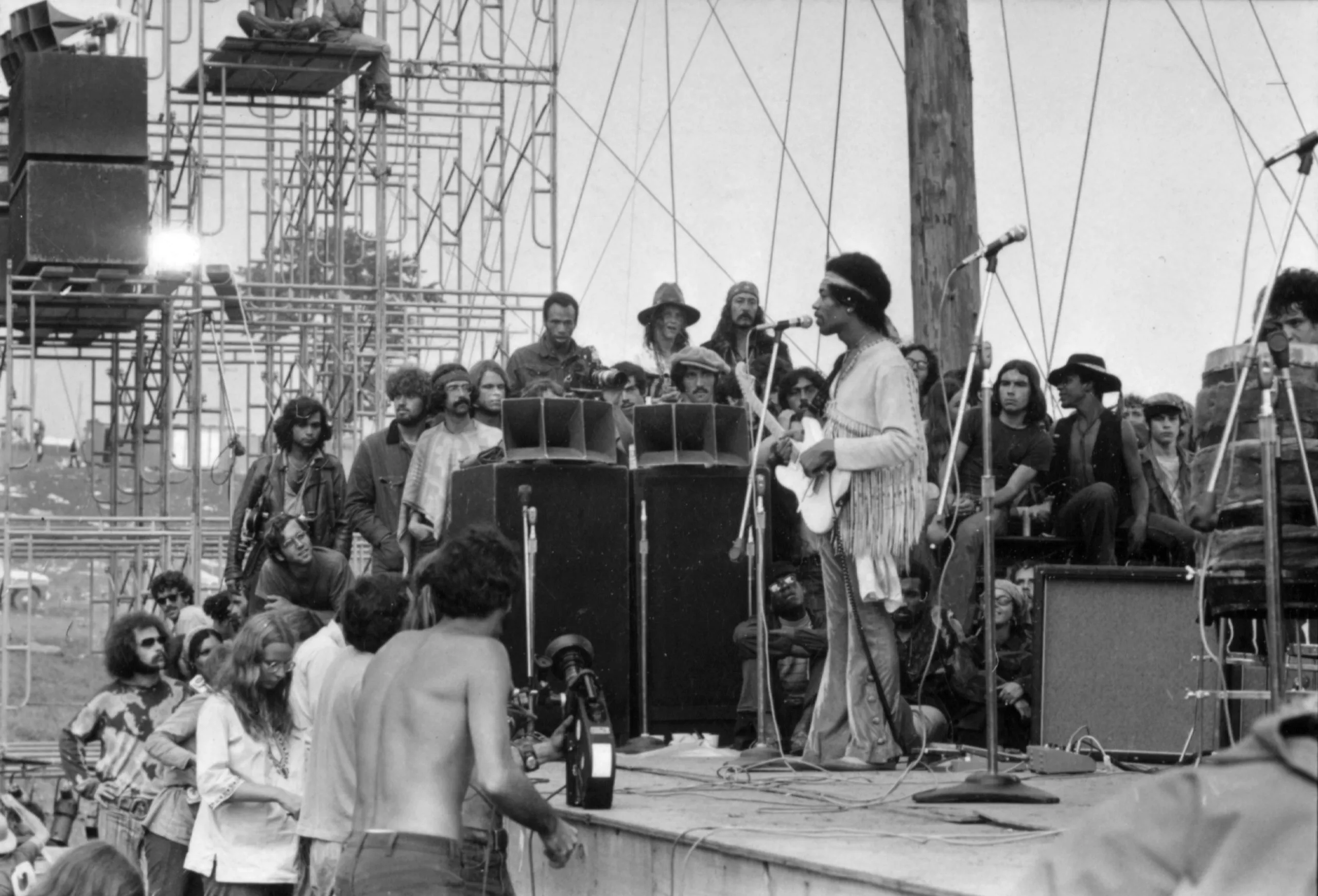
Cultural Explosion and Iconic Players (1960s–1980s)
The electric guitar becomes a symbol of identity, rebellion, and creativity. Influential figures: Jimi Hendrix, Eric Clapton, Jimmy Page, Jeff Beck, Eddie Van Halen. The guitar becomes central to rock, metal, punk, and pop. Instruments like the Stratocaster, SG, and Les Paul become cultural icons.
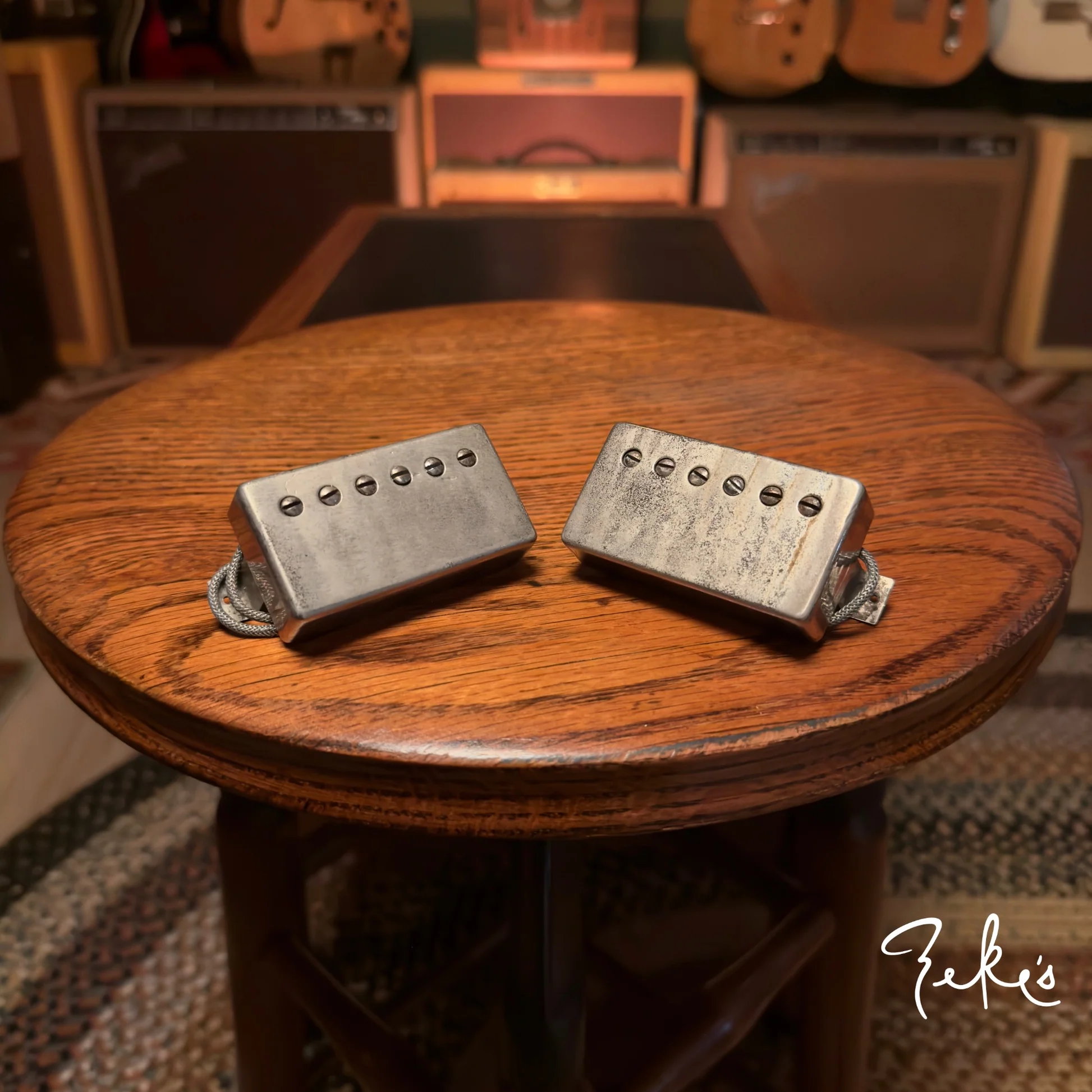
Technology Expands the Sound (1960s–present)
Key innovation: single‑coil vs humbucker pickups. This era saw the development of the humbucker, which reduced noise and increased output, changing the sound of rock and jazz.
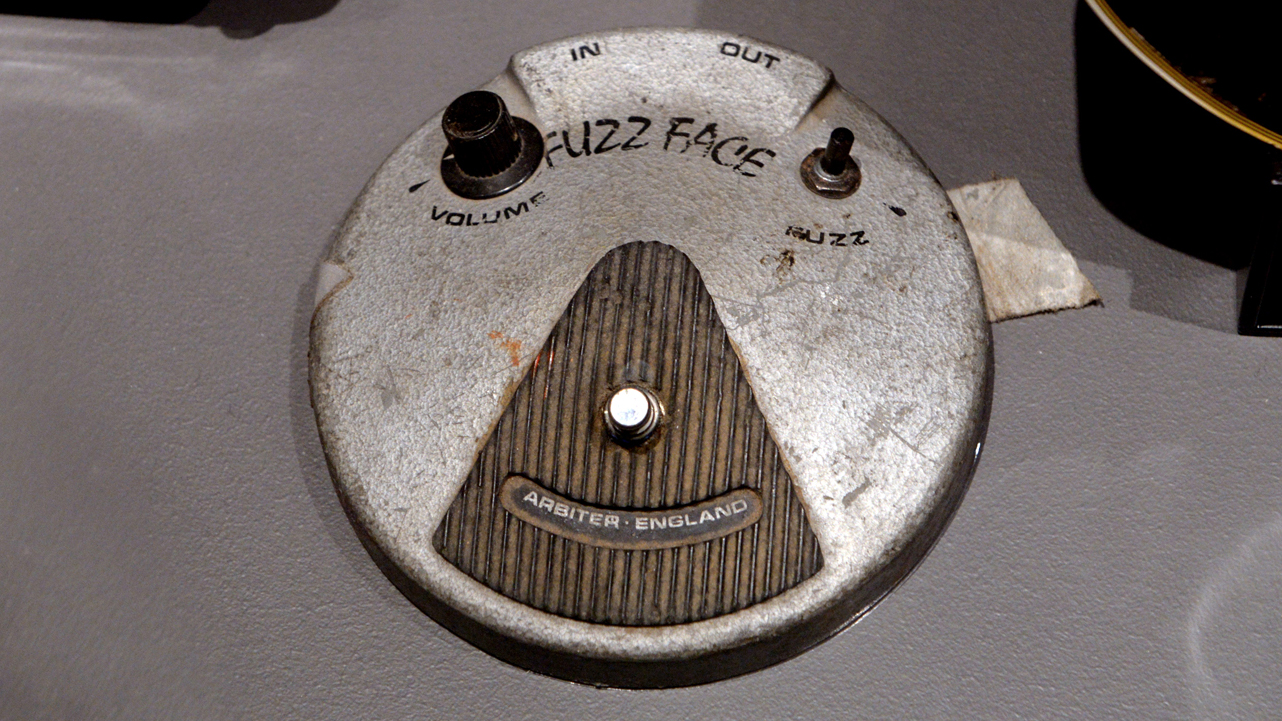
Effects Pedals Revolution
Distortion, fuzz, overdrive, and effects pedals (wah, delay, chorus, flanger) allowed guitarists to create new sounds and textures, expanding creative possibilities.
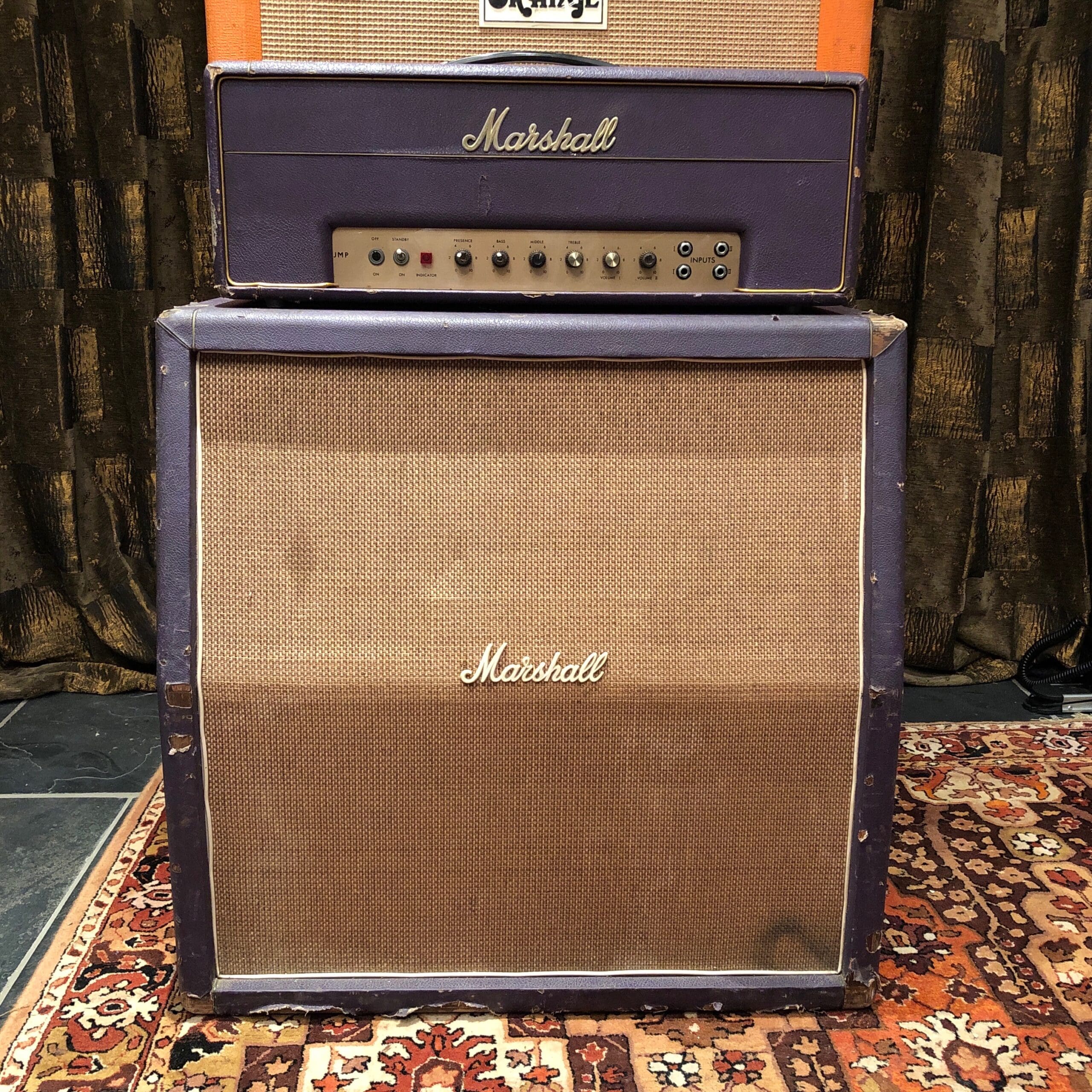
Amplifier Evolution
Amplifier technology evolved from tubes to solid-state to digital modeling, improving recording and live sound. Each innovation opened new creative possibilities for players.
Modern Era: Customization, Digital Tech, and Cultural Legacy (1990s–present)
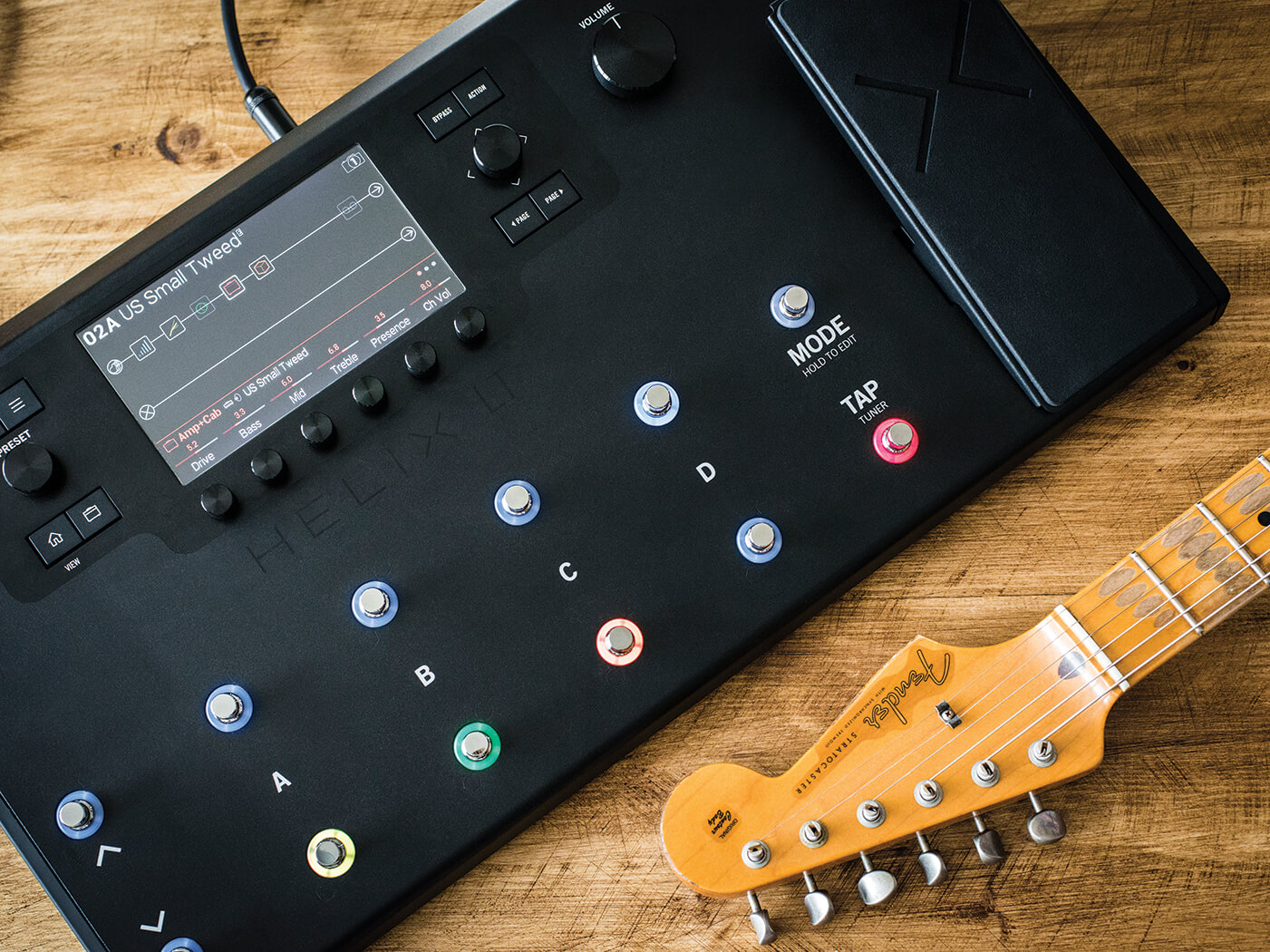
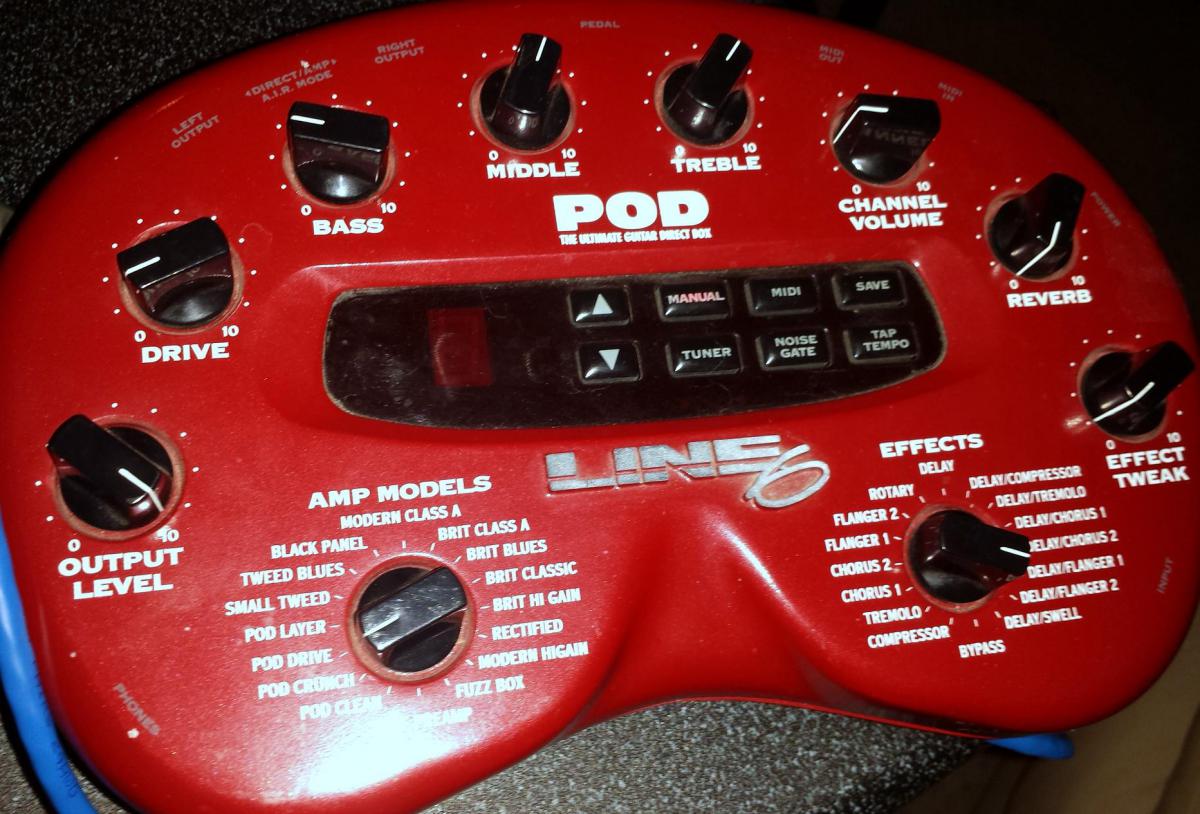
Rise of boutique builders and DIY modding. Digital modeling (Line 6, Kemper, Helix, Neural DSP) reshapes tone creation. The electric guitar remains a symbol of creativity and personal expression. Despite digital music trends, the guitar maintains cultural relevance in rock, pop, indie, and beyond.
Modern Multi-FX Workflows
Units like the Line 6 Helix combine amp modeling, cabinet simulation, and studio-grade effects in a single platform. This all-in-one approach gives players flexible live rigs and consistent direct-recording tones without large traditional pedalboards.