Origins: The Need for Volume
Acoustic guitars struggled to be heard in jazz and big-band settings. Early inventors experimented with pickups and amplification, setting the stage for engineering innovation driven by musical necessity.
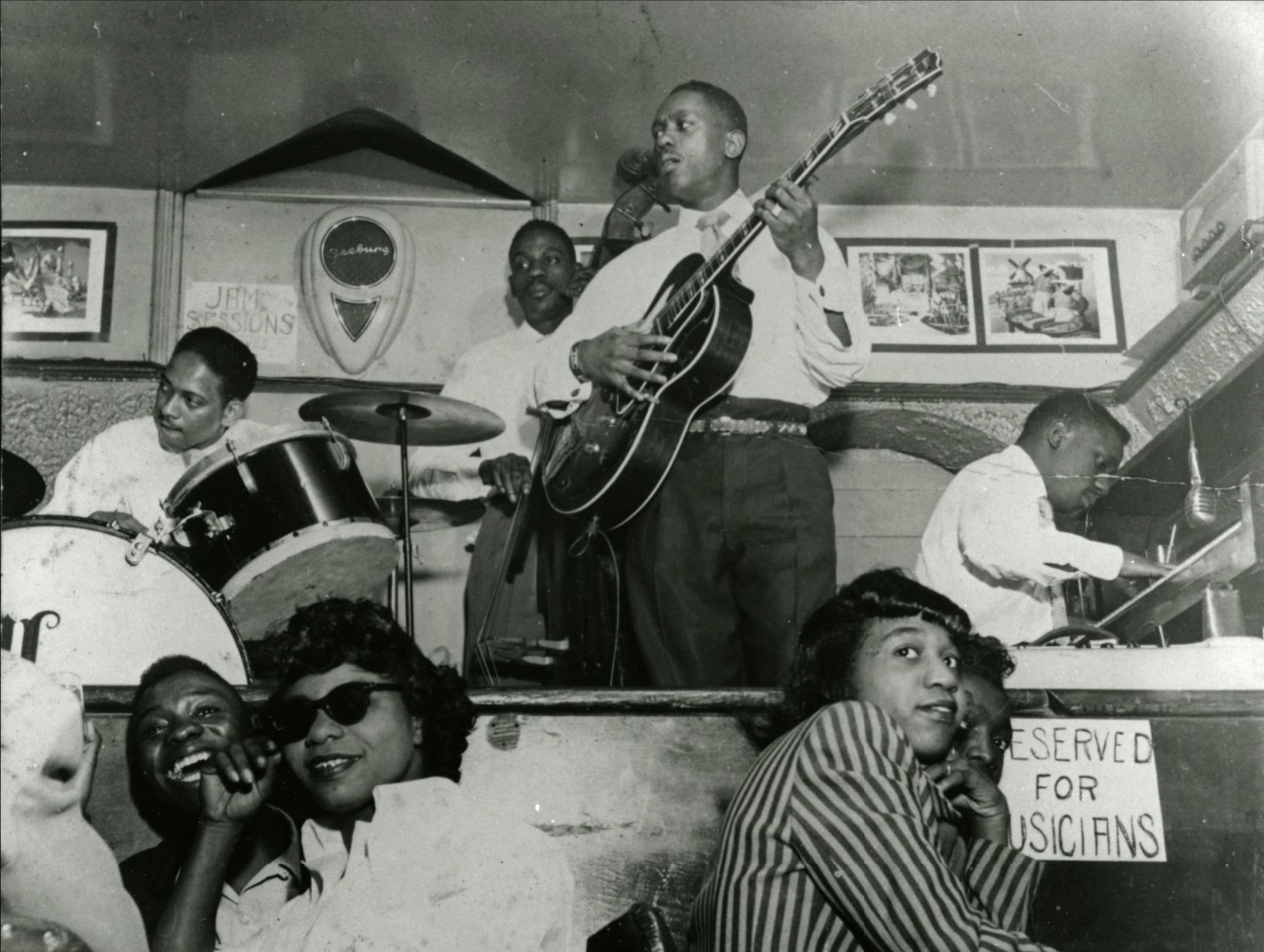
Jazz band with acoustic guitars
First Breakthrough: The Rickenbacker "Frying Pan"
The first commercially successful electric guitar, featuring a horseshoe-style pickup. This marks the beginning of the electric guitar as a real instrument.
Horseshoe Pickup Innovation: The Frying Pan's distinctive horseshoe pickup wrapped around the strings to produce a stronger electromagnetic signal. This design was a major step in making electric guitars loud, clear, and practical for live performance.
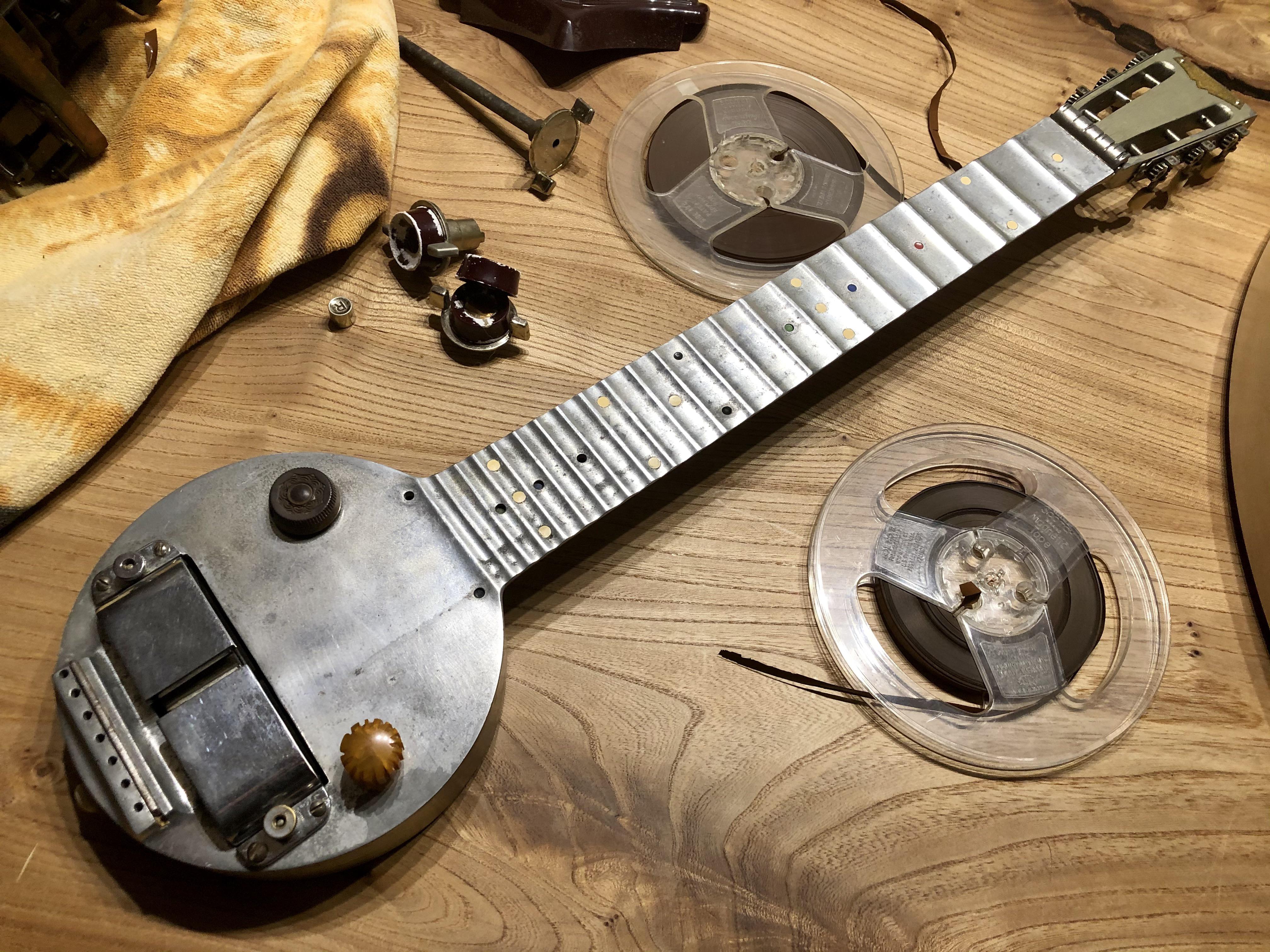
The iconic Rickenbacker Frying Pan
Les Paul's "Log" Prototype
Les Paul's "Log" prototype, a 4x4 piece of wood with pickups attached, proved that a solid body reduced feedback and increased sustain. This innovation paved the way for the modern electric guitar.
From Prototype to Icon: The ideas tested in the "Log" later influenced the Gibson Les Paul electric guitar line. What began as a rough engineering experiment evolved into one of the most iconic production models in electric guitar history.
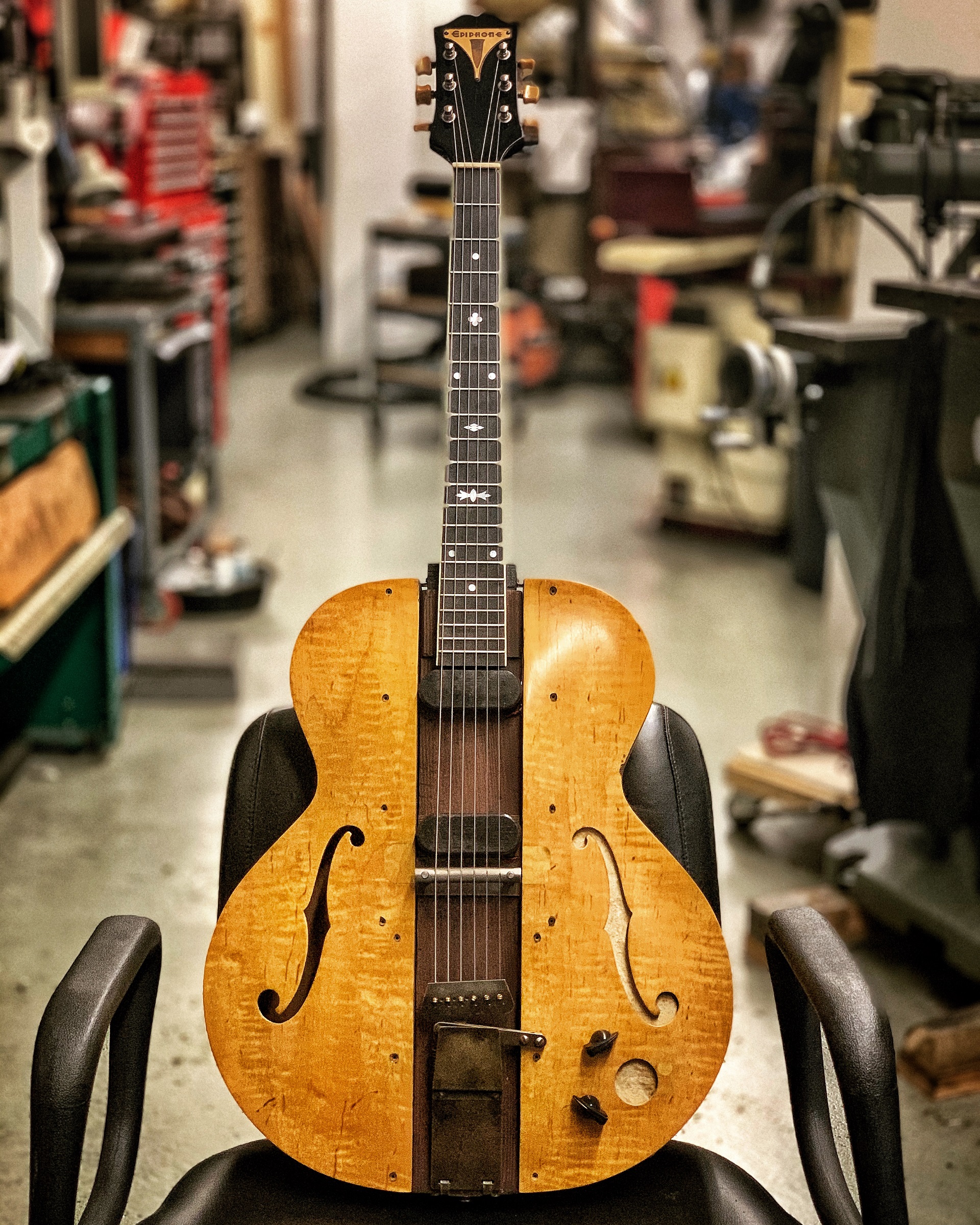
The Les Paul Log prototype
The Golden Era: Fender & Gibson
Fender Broadcaster/Telecaster (1950): The first mass-produced solid-body electric guitar, simple and durable.
Gibson Les Paul (1952): Combined craftsmanship with powerful tone, became one of the most iconic guitars in history.
Fender Stratocaster (1954): Introduced a contoured body, three single-coil pickups, and a synchronized tremolo system. Its versatile sound and ergonomic design made it a defining guitar for blues, rock, surf, and pop.

The legendary Fender Stratocaster
Cultural Explosion & Iconic Players
The electric guitar becomes a symbol of identity, rebellion, and creativity. Influential figures like Jimi Hendrix, Eric Clapton, Jimmy Page, Jeff Beck, and Eddie Van Halen transformed the instrument into a cultural icon.
The guitar becomes central to rock, metal, punk, and pop. Instruments like the Stratocaster, SG, and Les Paul become symbols of an era and a sound that defined generations.
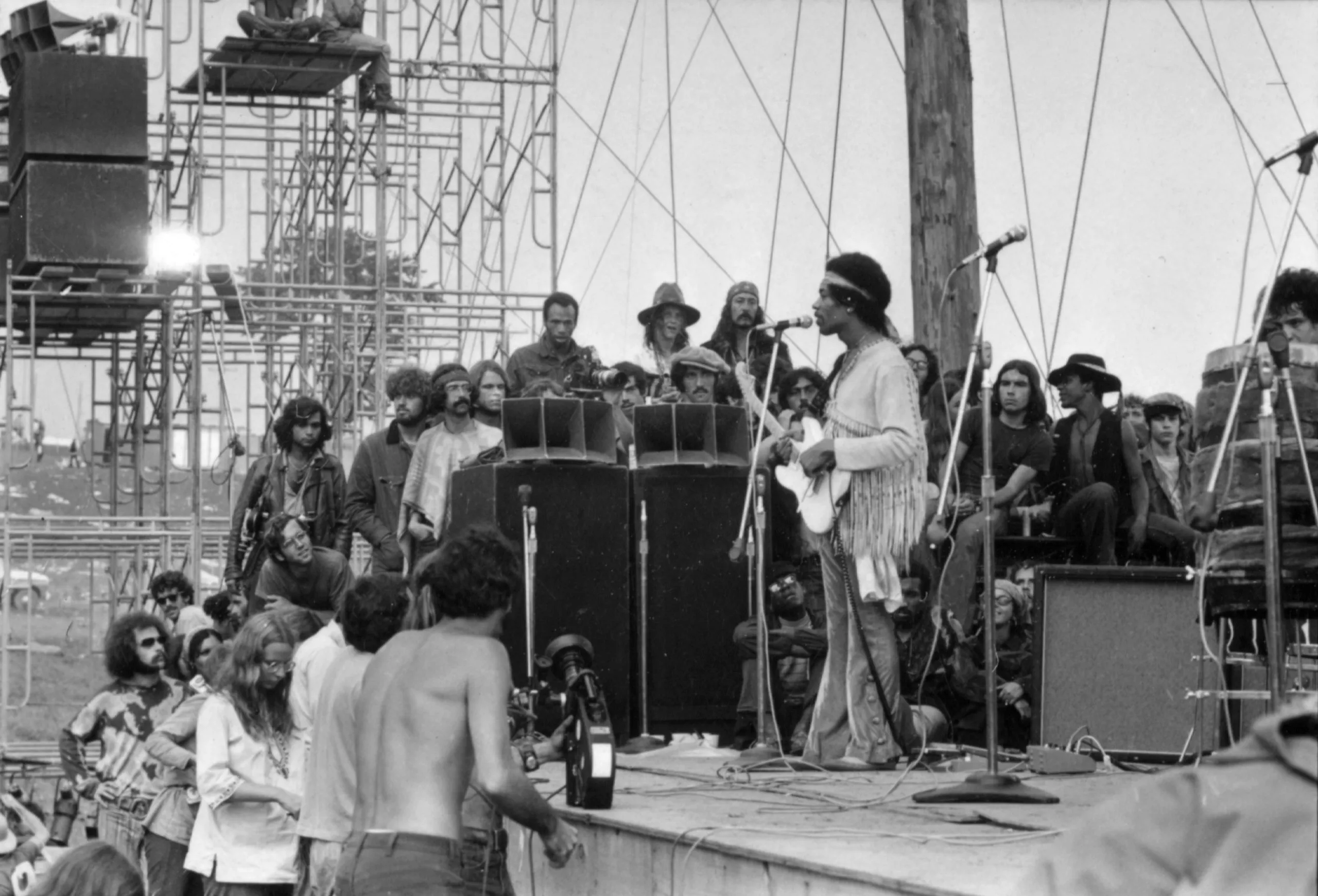
The electric guitar as cultural icon
Technology Expands the Sound
Pickup Evolution: Key innovation between single-coil and humbucker pickups. The humbucker reduced noise and increased output, changing the sound of rock and jazz.
Effects Pedals Revolution: Distortion, fuzz, overdrive, and effects pedals (wah, delay, chorus, flanger) allowed guitarists to create new sounds and textures, expanding creative possibilities.
Amplifier Evolution: From tubes to solid-state to digital modeling, improving recording and live sound with each innovation.
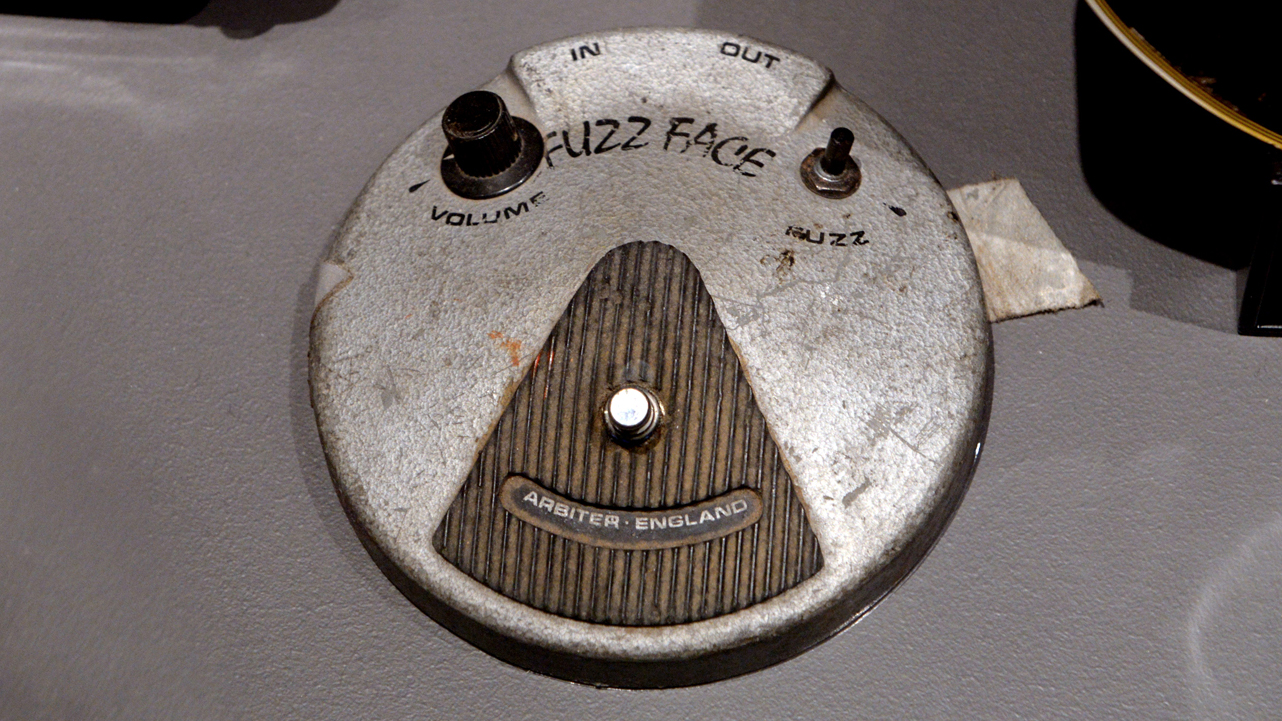
Modern guitar technology and effects
Modern Era: Digital Revolution & Legacy
Customization & DIY: Rise of boutique builders and DIY modding culture.
Digital Modeling: Line 6, Kemper, Helix, and Neural DSP reshape tone creation, giving players flexible live rigs and consistent direct-recording tones.
Despite digital music trends, the electric guitar maintains cultural relevance and remains a symbol of creativity and personal expression across rock, pop, indie, and beyond.
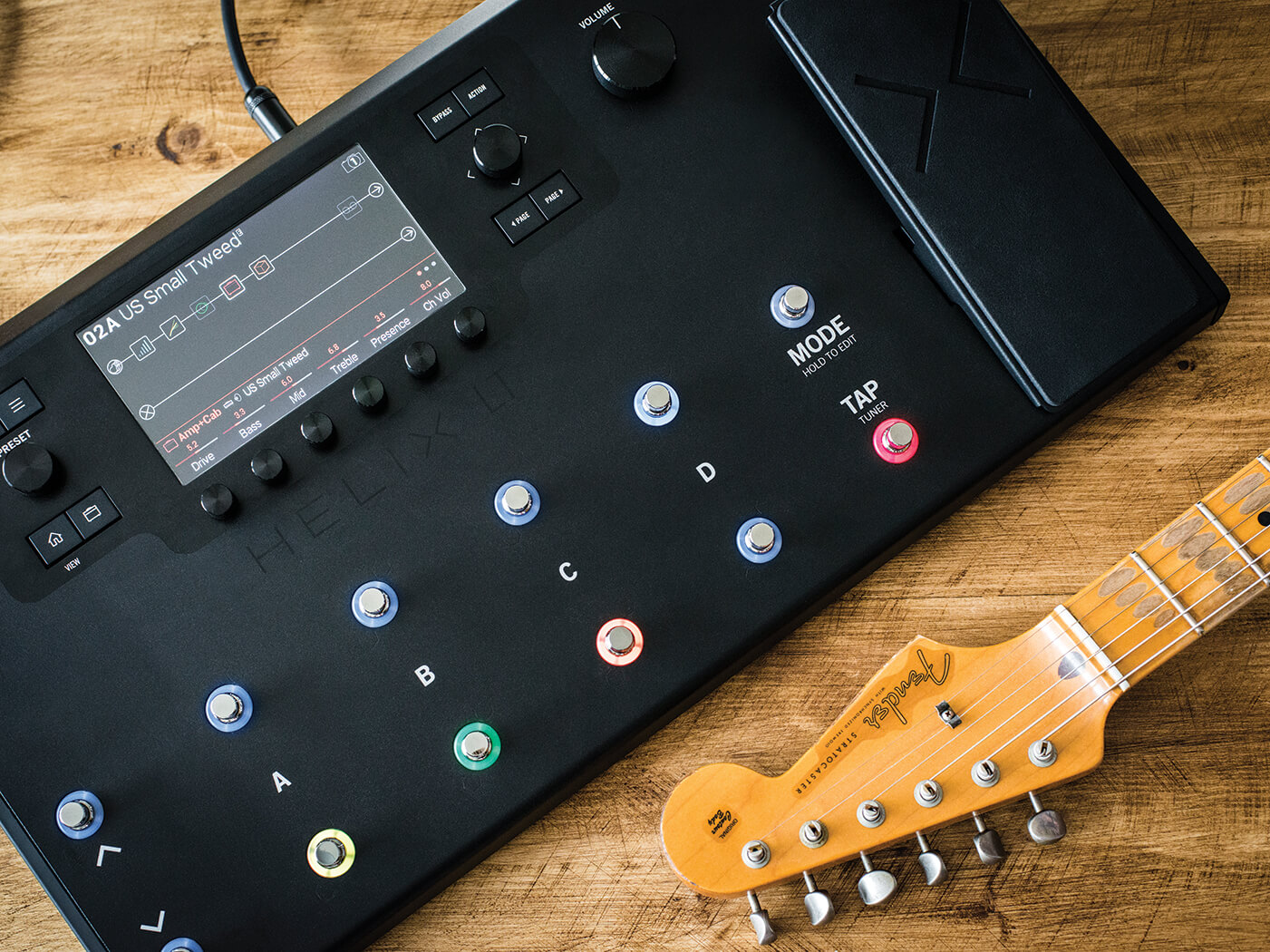
The future of guitar technology